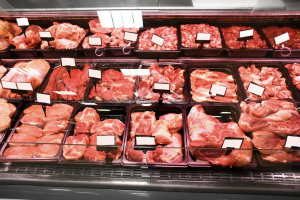
Urinary tract infections (UTIs) have traditionally been linked to sexual activity and hygiene practices. However, recent research reveals that nearly one in five UTI cases results from E. coli bacteria present in contaminated meat.
Understanding the E. Coli-UTI Connection
From 2017 to 2021, researchers gathered thousands of E. coli samples from both human urine and retail meat products in Southern California. By comparing the DNA from E. coli found in meat with that in urine samples, they determined which infections originated from contaminated meat.
“There are special pieces of DNA that E. coli can pull into their cells that help them survive, or even thrive, inside a chicken gut, and different pieces of DNA to help them survive or thrive in a human gut,” said Lance B. Price, MS, PhD, senior author of the study and professor of environmental and occupational health at the George Washington University.
The study revealed that 18% of UTIs stemmed from meat-borne bacteria rather than person-to-person transmission. Individuals in lower-income communities experienced even greater risk, with 21.5% of their UTIs connected to food sources.
Though the research centered on Southern California, the findings apply broadly across the United States, according to Price.
“Animals are slaughtered, chopped up, and shipped across the United States. If you think about it that way, the meat that the people are exposed to in California is the same meat that people are exposed to across the country,” he added.
The Pathway from Raw Meat to UTIs
UTIs generally develop when E. coli from the digestive system migrates into the urinary tract via the urethra—the tube transporting urine from the bladder. Standard prevention recommendations include urinating after intercourse, wiping from front to back, and selecting showers instead of baths.
These new discoveries indicate that kitchen food safety practices may also help prevent UTIs.
Preventing cross-contamination in your kitchen is essential. Using the same cutting board for raw meat and salad greens, for instance, may result in ingesting E. coli from the meat when consuming the uncooked salad. Once swallowed, the bacteria can readily reach your digestive system and subsequently your urinary tract, Price explained.
“It’s also possible that people are not getting their hands totally clean, and then when they’re using the bathroom, they could introduce the bacteria directly into the urogenital tract,” he added.
Why Lower-Income Communities Face Higher UTI Rates
While the researchers didn’t examine direct causes, several factors likely account for the elevated foodborne-UTI risk in lower-income communities.
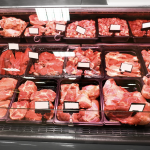
Stores in lower-income neighborhoods sometimes lack proper meat packaging standards, unlike those in affluent areas. This inadequate packaging can cause cross-contamination when raw meat juices contact other items in shopping carts or bags, Price noted.
Even when shoppers prevent cross-contamination at stores, home exposure to bacteria remains possible. A 2017 study examining 100 homes in a low-income Pennsylvania community linked insufficient cleaning supplies with E. coli contamination.
“If you barely have enough to eat, you’re not spending your money on paper towels, cleaning supplies, or cutting boards,” says Jennifer Quinlan, PhD, author of the 2017 study, professor and executive director of the Food Security Research Center at Prairie View A&M University.
Reducing Your Foodborne UTI Risk
Several strategies can lower your risk of developing foodborne UTIs from contaminated meat: wash your hands regularly with soap and water, refrigerate meat at 40°F or lower, and cook raw meat directly from its packaging without rinsing.
“Our research found a lot of pathogens on dish rags, sponges, or in the kitchen sink – that’s a very common area if you’re rinsing raw meat,” Quinlan said.
To eliminate germs effectively, sanitize sinks using commercial sanitizing products or a bleach-water solution, launder dish towels using high heat settings, and microwave damp kitchen sponges for one to two minutes.